
Guide
How to store important documents, on paper and digitally
- Originals
- Fire safe, water-tight box or safe deposit box
- Copies
- Somewhere else, such as with a trusted relative
- US tax records
- Generally 3 years, longer in some cases
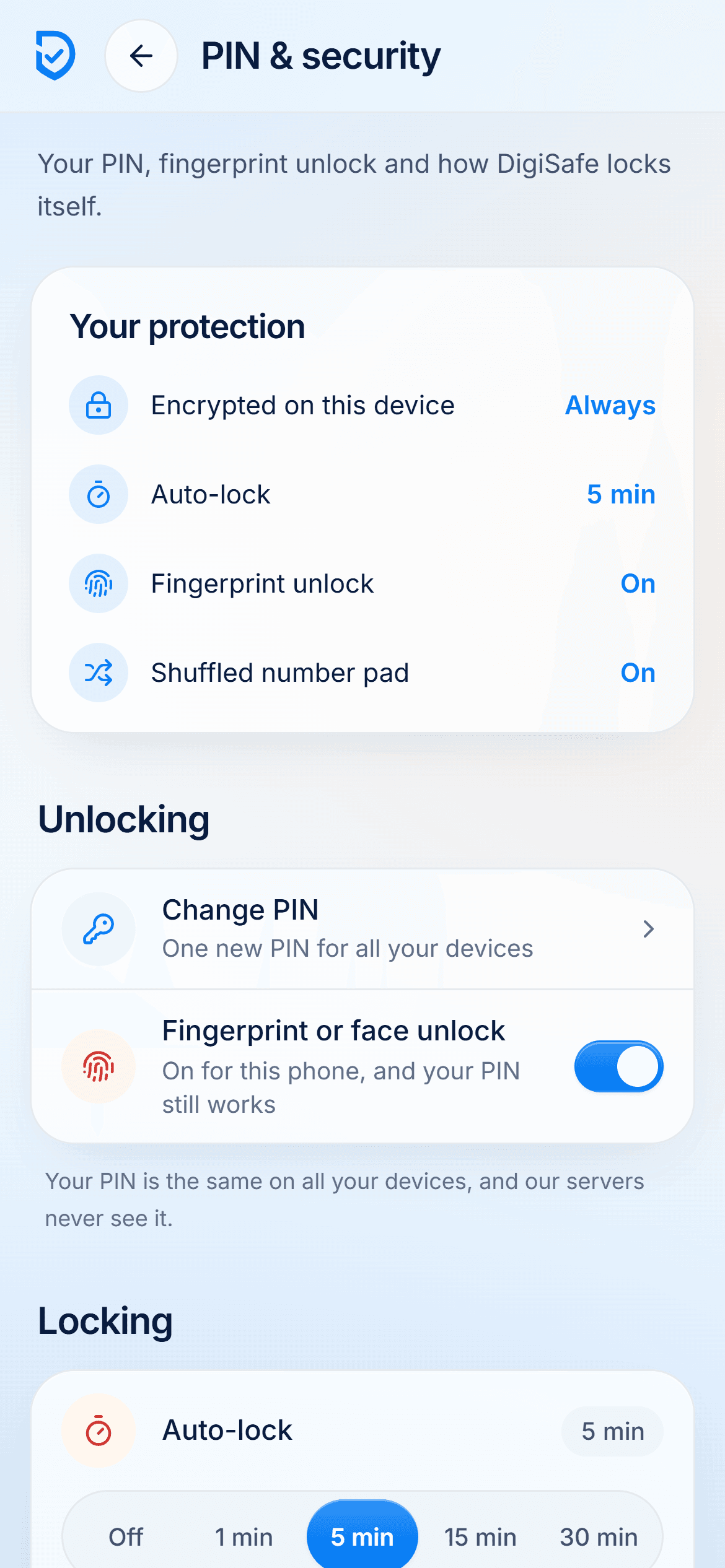
Originals somewhere safe, copies somewhere else, and a digital set only you can open. That is the short version, and the official advice agrees with it.

A real moment
“Your passport is in a drawer, the house deed is at your parents' place, and the only copy of your ID is a photo in a chat from three years ago. You would struggle to find any of them in a hurry.”
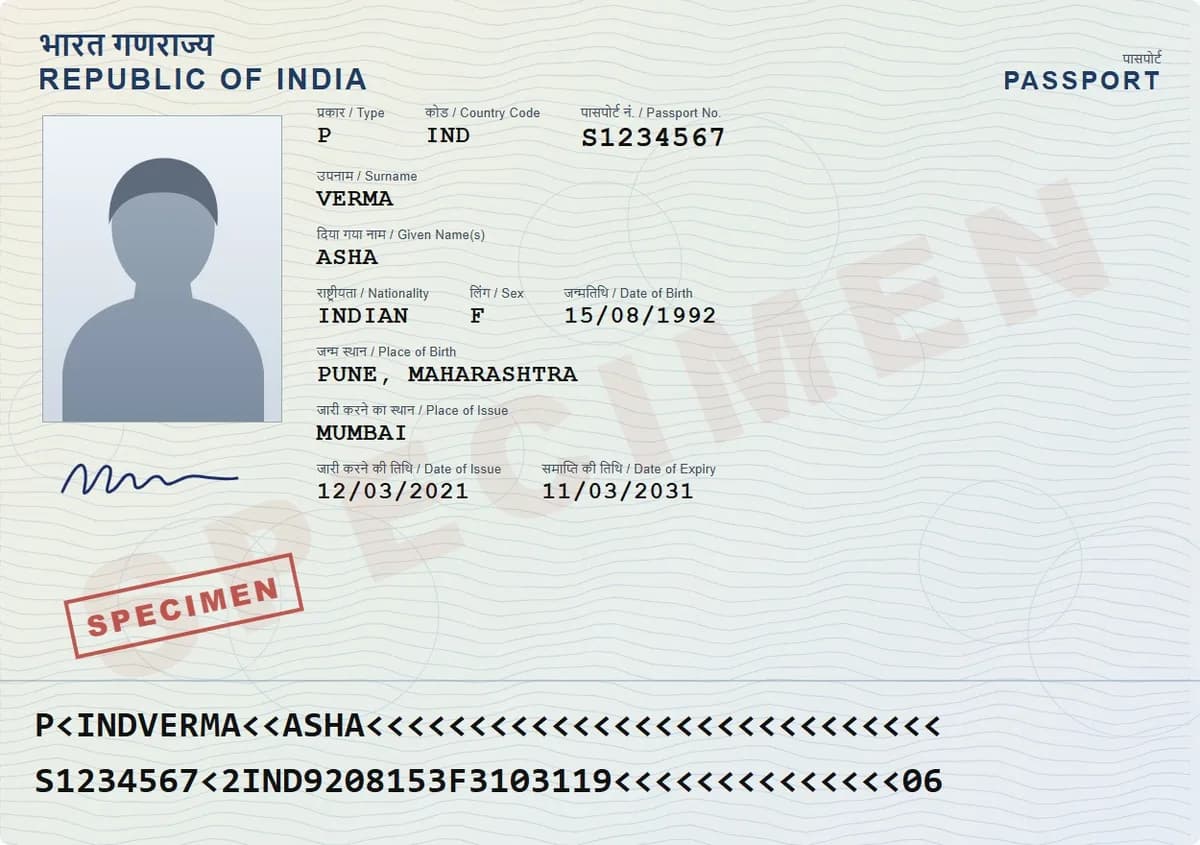
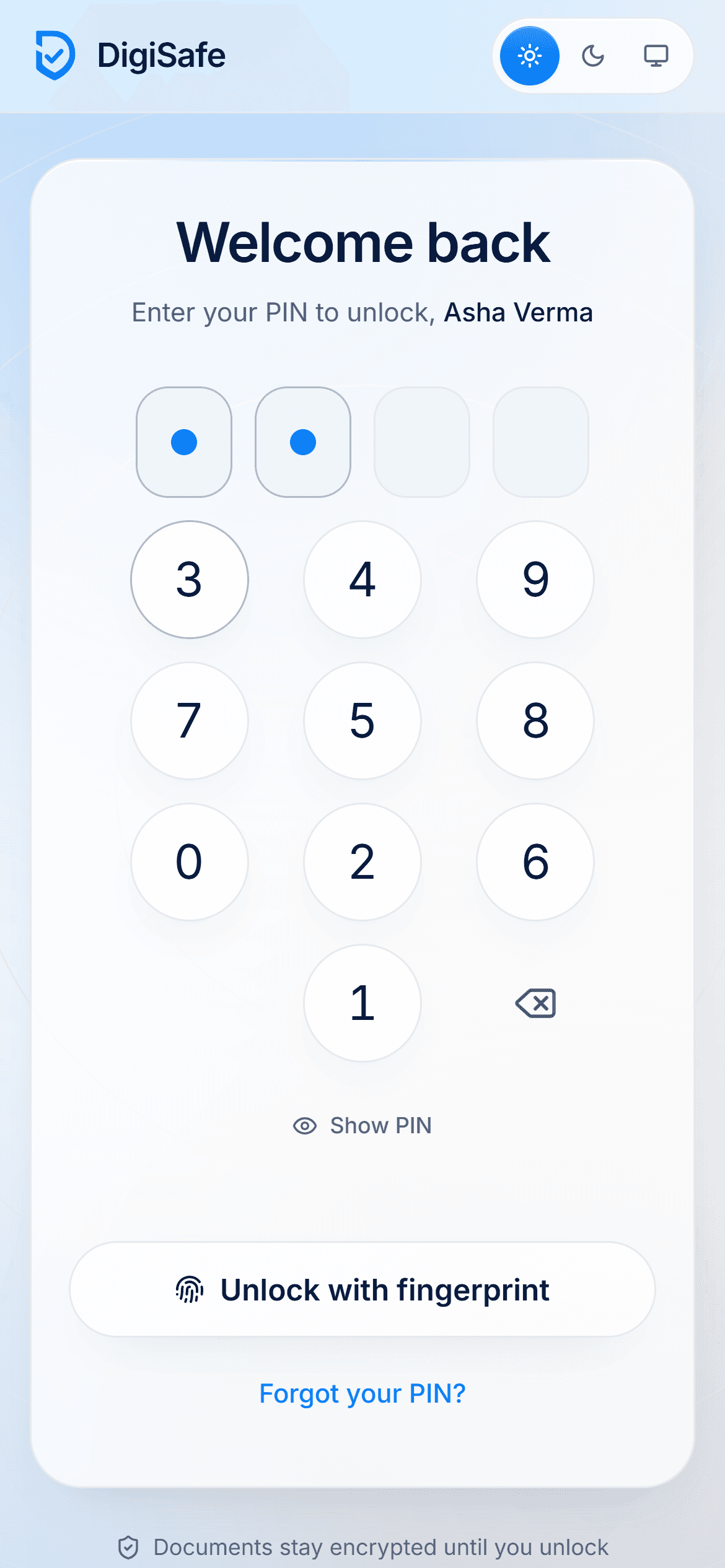
Keep originals in a fire safe, water-tight box or bank safe deposit box, and copies somewhere else. Keep digital copies behind a strong password, backed up, and never loose in email. DigiSafe keeps encrypted copies on your phone, backed up, that only you can open.
Originals and copies in two places
How long to keep tax records
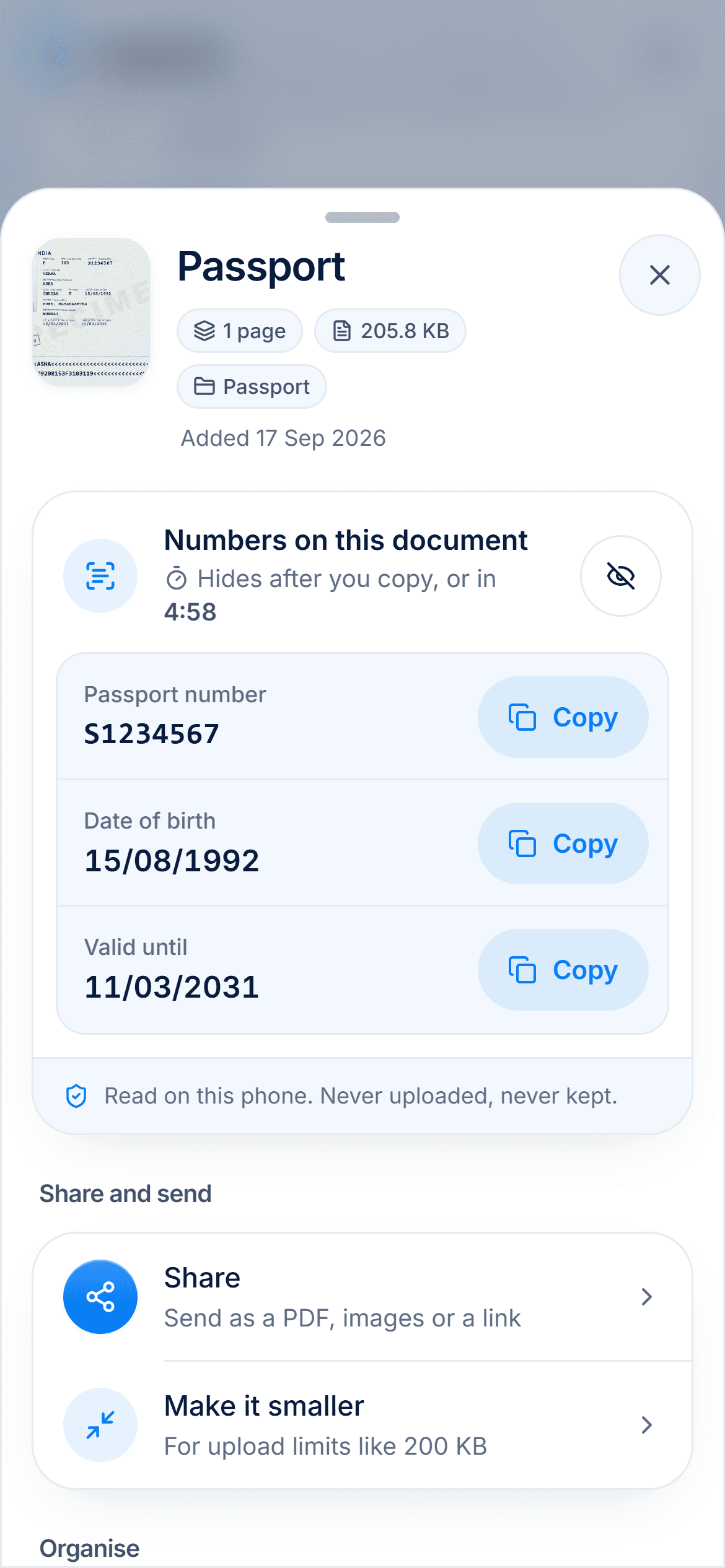
A digital copy only you can open
Originals
Fire safe, water-tight box or safe deposit box
Copies
Somewhere else, such as with a trusted relative
US tax records
Generally 3 years, longer in some cases
Digital
Strong password, a backup, and no email
Originals in one place, copies in another
The CFPB suggests keeping originals in a water-tight container, a fire safe or a bank safe deposit box, and copies somewhere else, at work or with a trusted relative or friend. If both sets live in one house, one disaster takes both.
Which documents to keep safe
Start with the CFPB's list: driver's licences, passports, Social Security cards, birth certificates, marriage and divorce papers, home titles or deeds, and vehicle registrations and titles, plus a room-by-room inventory of what you own. Outside the US, add your national ID and tax papers.
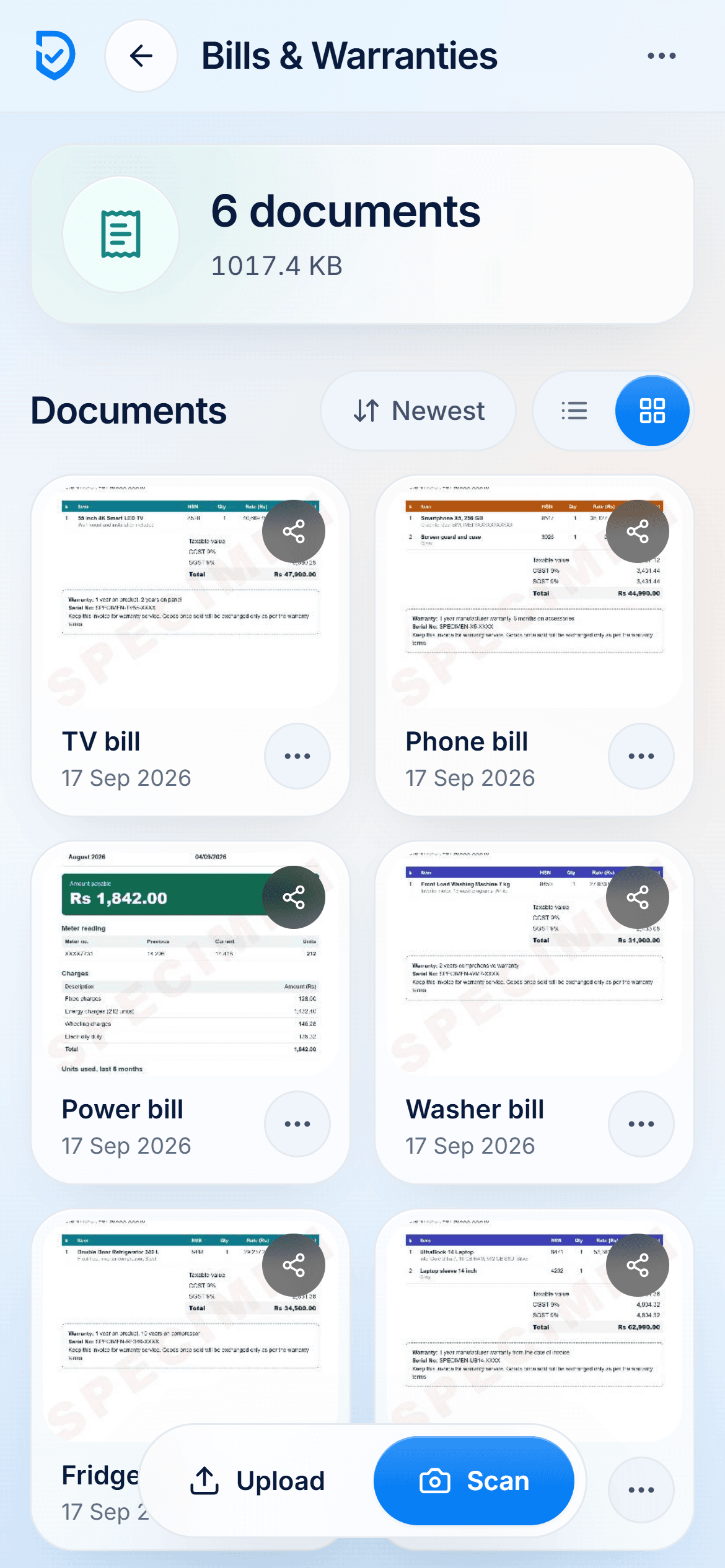
How long to keep tax records in the US
The IRS says to keep records that support your return until its period of limitations runs out. That is usually 3 years; 6 years if you left out income worth more than 25% of what you reported; 7 years for a bad debt or worthless securities claim; and indefinitely if you filed no return. Keep copies of every filed return, and ask your insurer or lender whether they need them for longer.
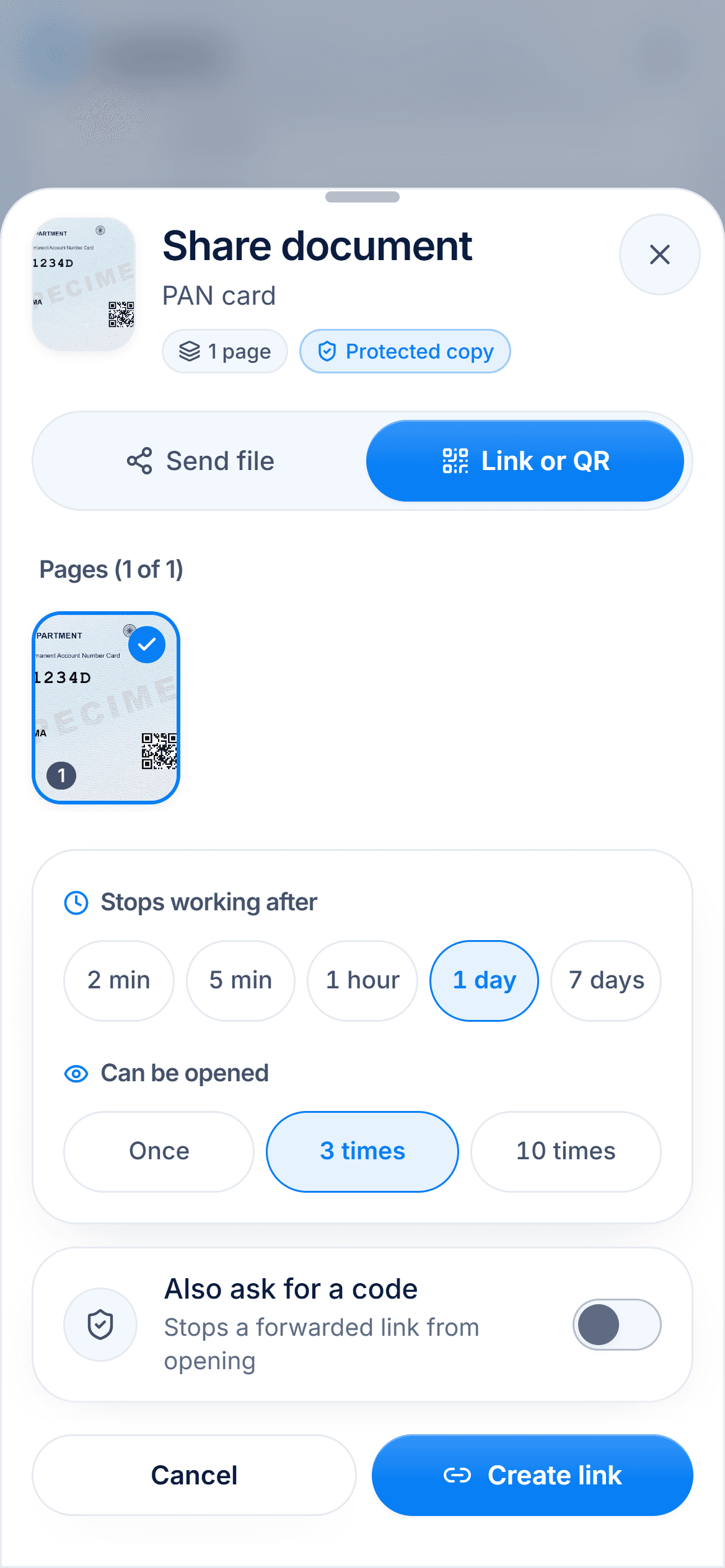
Digital document storage, done safely
The NCSC calls a backup a copy kept in a separate, safe place, and says to protect the account that holds it with a strong password and 2-step verification. CISA suggests passwords of at least 16 characters, a different one for each account. The IRS warns that standard email is not encrypted, so an ID sent as an attachment is exposed.
Where DigiSafe fits
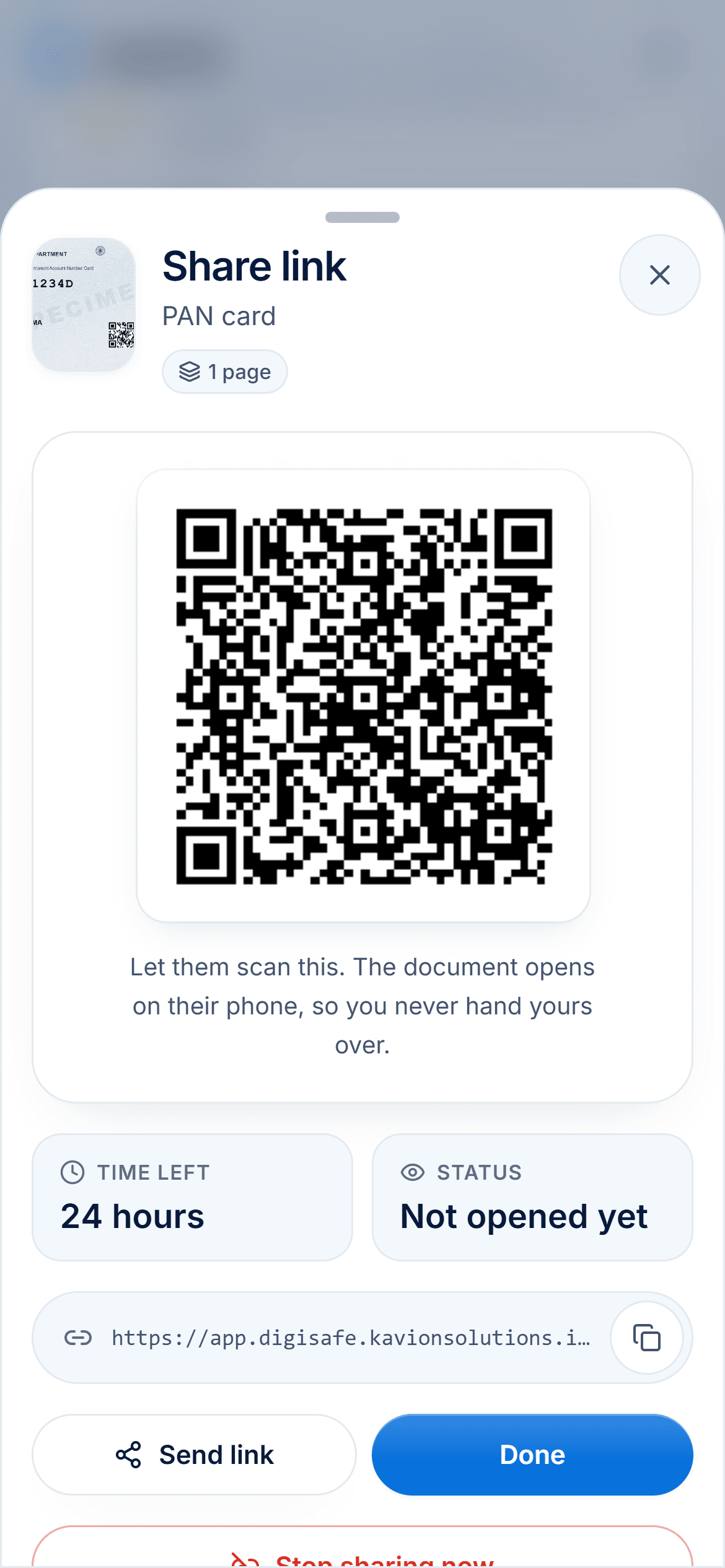
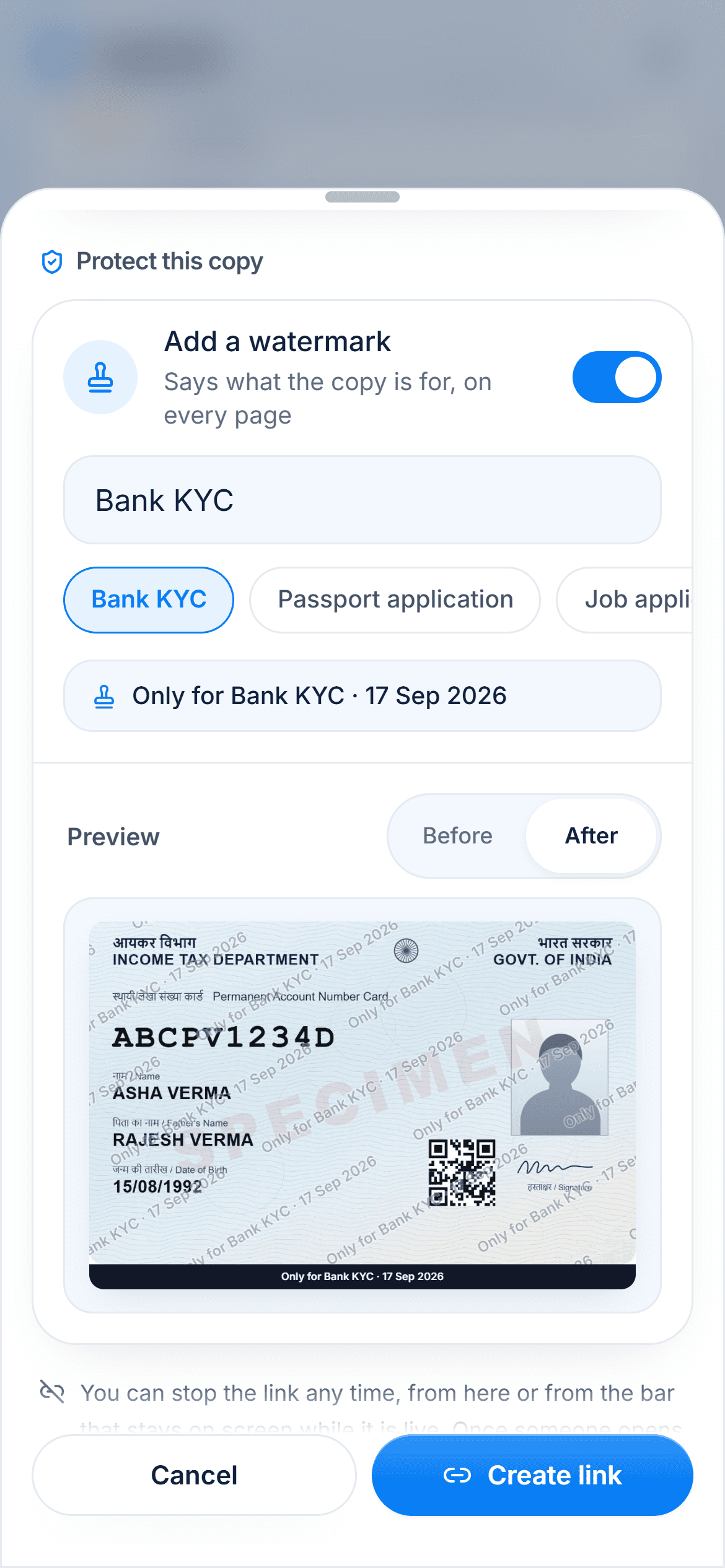
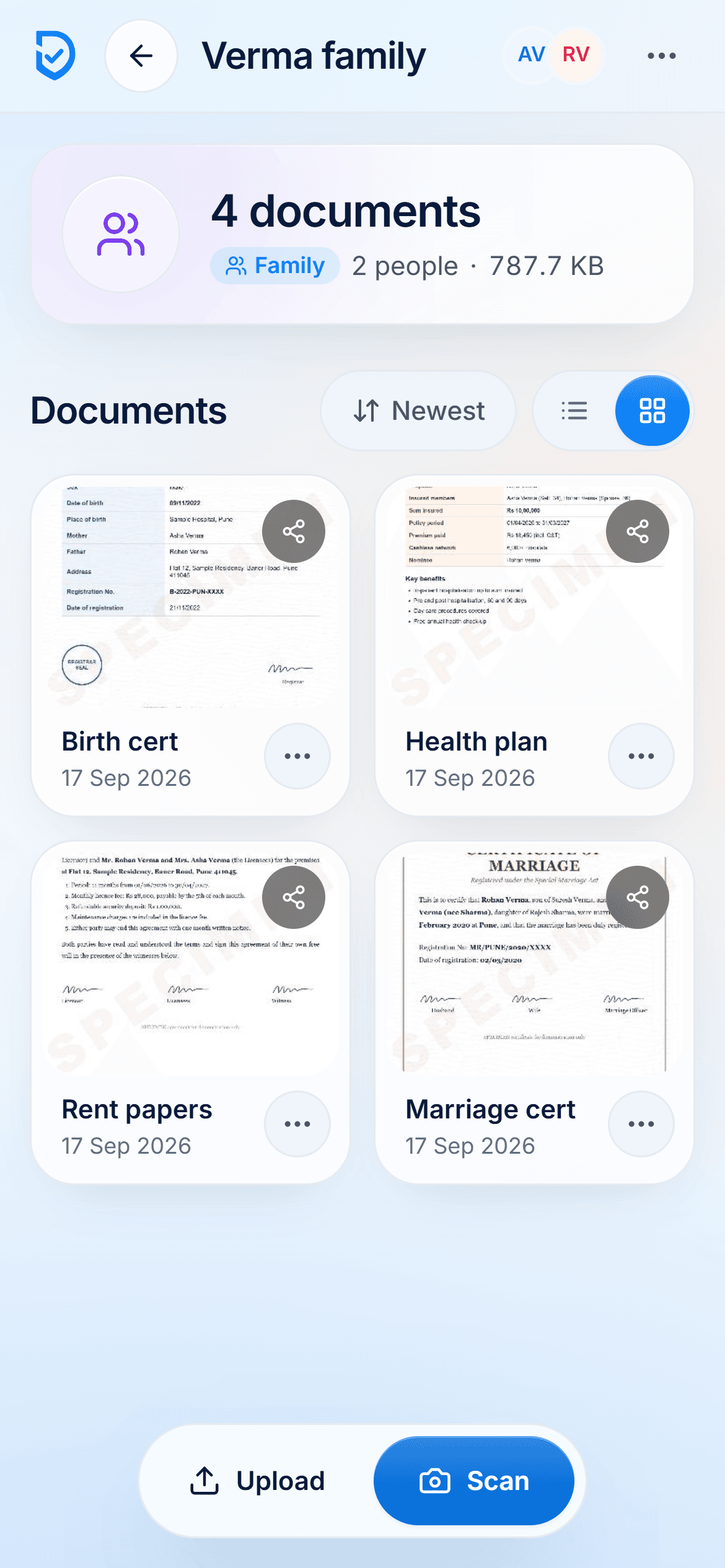
DigiSafe encrypts each page on your phone before it is backed up, so the copy we keep is one we cannot open. Your documents open offline, and you can share one with a link that expires instead of an email attachment.
Step by step
- 1
List your important documents, starting from the CFPB's checklist.
- 2
Put the originals in a fire safe, a water-tight box or a safe deposit box.
- 3
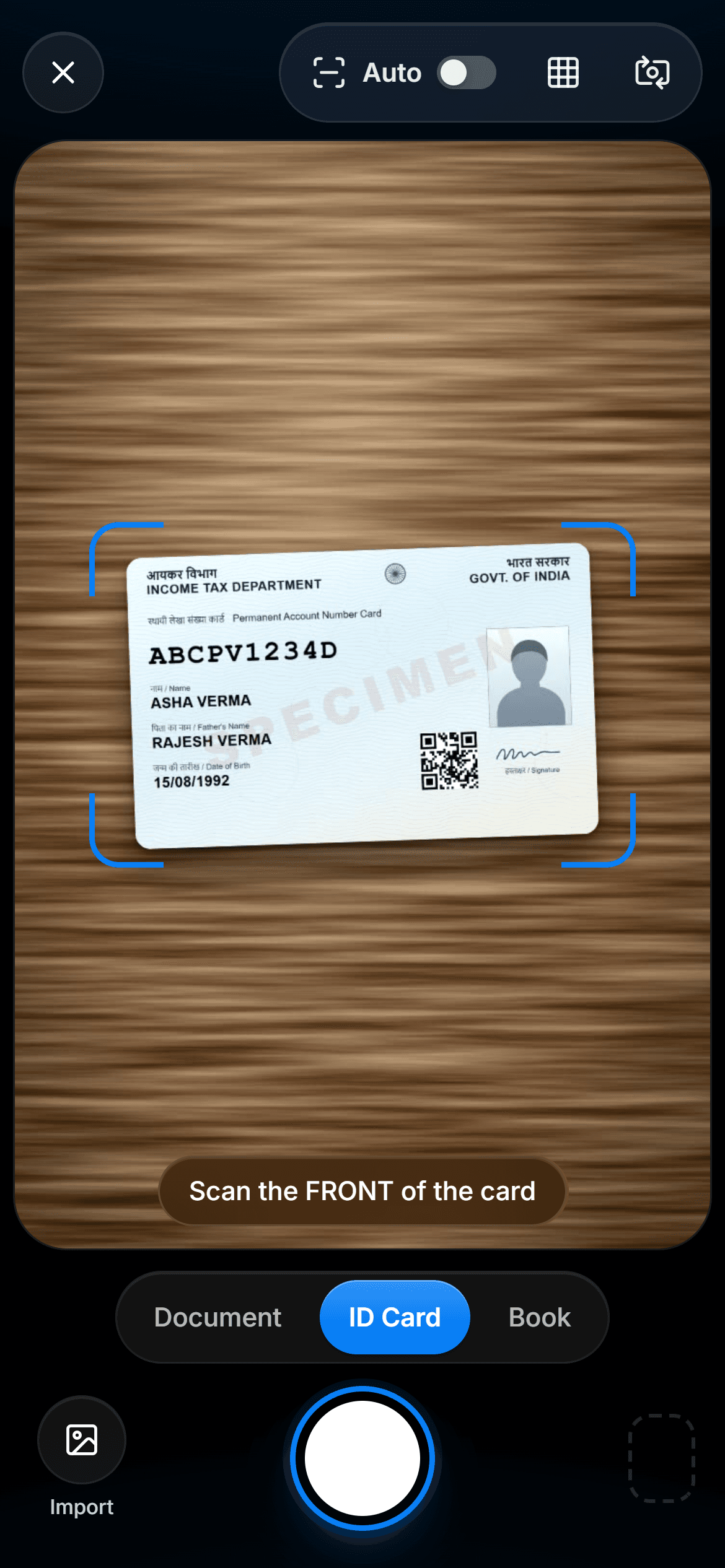
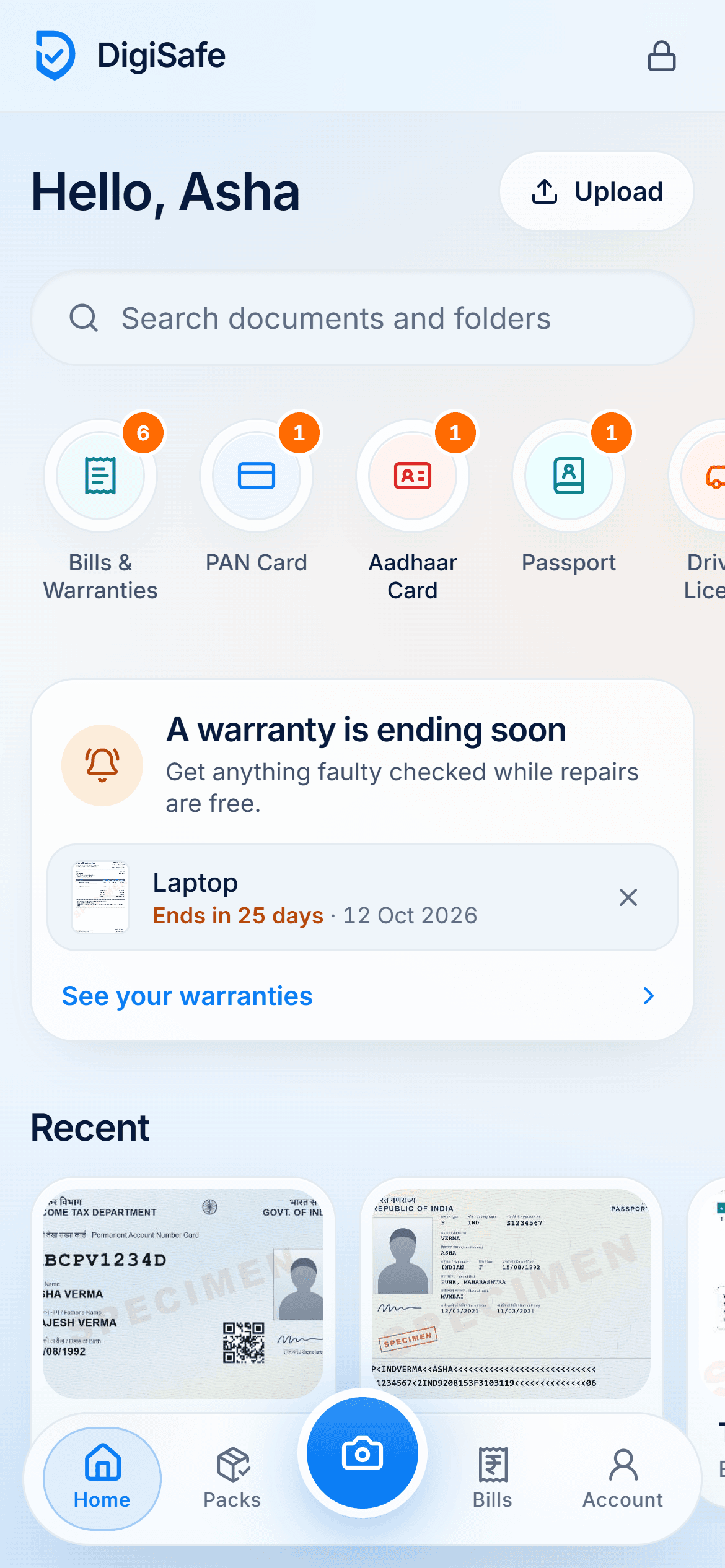
Scan each one into DigiSafe, both sides of every card.
- 4
Use a strong, unique password and 2-step verification wherever copies live.
- 5
Keep a second copy with someone you trust, or share a DigiSafe family folder.
- 6
Shred papers you no longer need, rather than throwing them away.
Questions people ask
What is the safest way to store important documents?+
Originals in a fire safe, water-tight box or bank safe deposit box, and copies somewhere else. For digital copies, use encrypted storage with a strong password and a backup. DigiSafe encrypts on your phone, so only you can open your copies.
Is it safe to email a copy of my passport?+
Standard email is not encrypted, as the IRS points out, and the copy stays in both inboxes. Send a link that expires instead, or an encrypted, password-protected file.
How long should I keep tax records in the US?+
Generally 3 years from filing. Keep them 6 or 7 years, or indefinitely, in the cases the IRS lists, and keep copies of every return you file.
Do I need digital copies if I have the originals?+
They help. FEMA notes that a copy of your passport makes a replacement quicker, and a copy is there when the original is lost, locked away or somewhere else.
Where this comes from
Official sources, dated.
Every requirement on this page comes from the official pages listed here, last checked on 26 September 2026. Rules change and offices can ask for more, so check the official page before you go.
- 1CFPB: Your disaster checklist (PDF)files.consumerfinance.gov
- 2IRS: How long should I keep records?irs.gov
- 3IRS: Sending and receiving emails securelyirs.gov
- 4FTC: What to know about identity theftconsumer.ftc.gov
- 5NCSC: Backing up your datancsc.gov.uk
- 6CISA: Use strong passwordscisa.gov
- 7FEMA: Emergency Financial First Aid Kit (PDF)fema.gov
Read next
Do it in a minute, on your phone.
DigiSafe is free, encrypted on your device, and it works offline.