
Guide
How to make an emergency binder, and what to put in it
- Source
- FEMA's Emergency Financial First Aid Kit
- Four groups
- ID, money and legal, medical, contacts
- Paper set
- Fireproof, waterproof box or a safe deposit box
An emergency binder holds copies of the papers you would need after a fire, flood or break-in, in one place you can grab. FEMA publishes a checklist for exactly this, so here it is in plain words.

A real moment
“A pipe bursts overnight and the cupboard with your files is under water. The insurer wants your policy number, the bank wants ID, and the originals are pulp.”
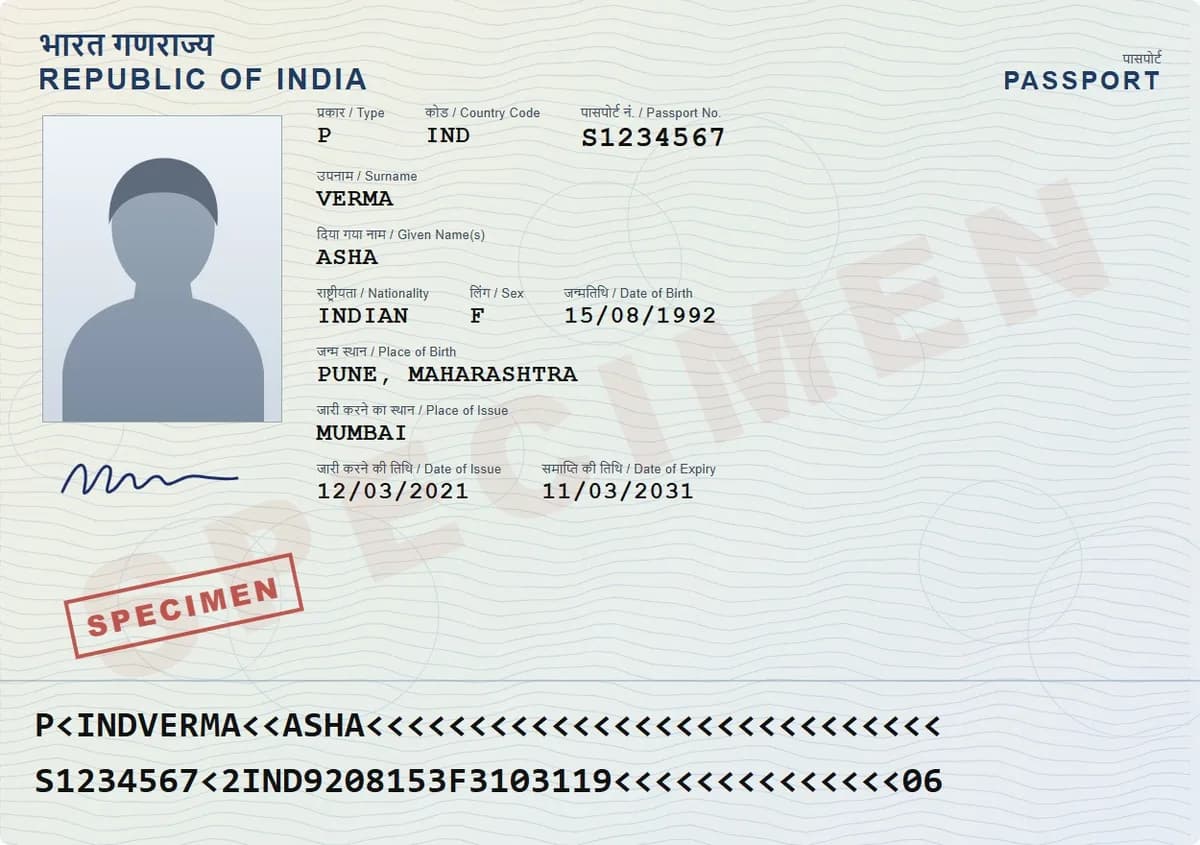
An emergency binder holds copies of your ID, money and legal papers, medical records and key contacts. FEMA's Emergency Financial First Aid Kit lists what to include. Keep the paper set in a fireproof, waterproof box and a password-protected digital copy somewhere else.
The checklist
What to have ready
Last checked against the official sources on 26 September 2026
Household identification
- Driver's license or other photo IDA copy of the front and the back.
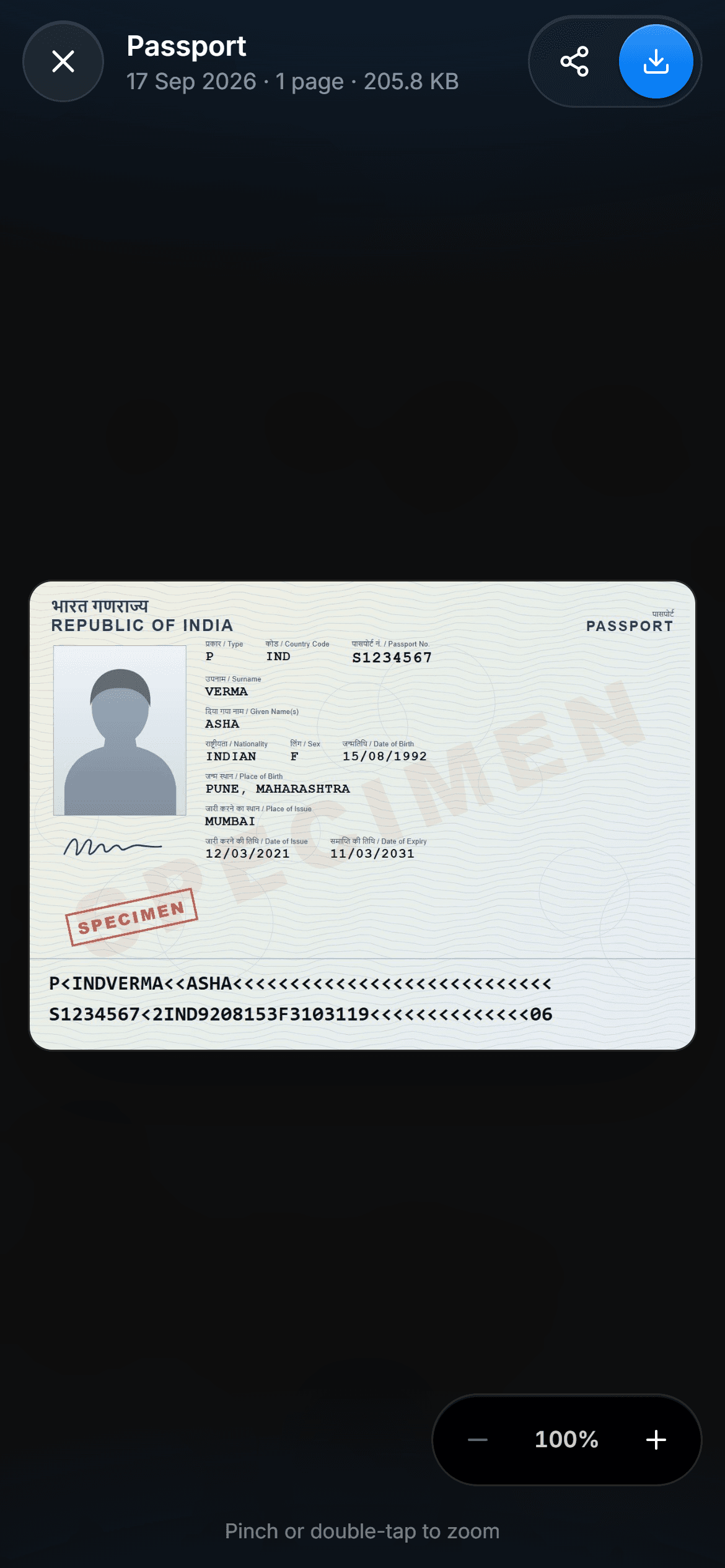
- Passport or Green CardA copy of the passport's first two pages, or both sides of the Green Card. FEMA notes a copy makes a replacement quicker.
- Birth certificatesPlus adoption or child custody papers.
- Marriage license or divorce decreeWhichever applies.
- Social Security cardsFor everyone in the household.
- Naturalization documentsYour certificate of naturalization.Only if you became a citizen by naturalization
- Military ID and discharge recordCurrent military ID and your DD 214.Only if you have served
- Pet recordsID tags, microchip details and proof you own the pet.Only if you have pets
Money and legal papers
- Home papersYour lease or rental agreement, or mortgage and deed papers.
- Bills and debtsUtility bills, and your car loan, credit card and student loan details.
- Account statementsBank, retirement and investment accounts, and vehicle registration or ownership papers.
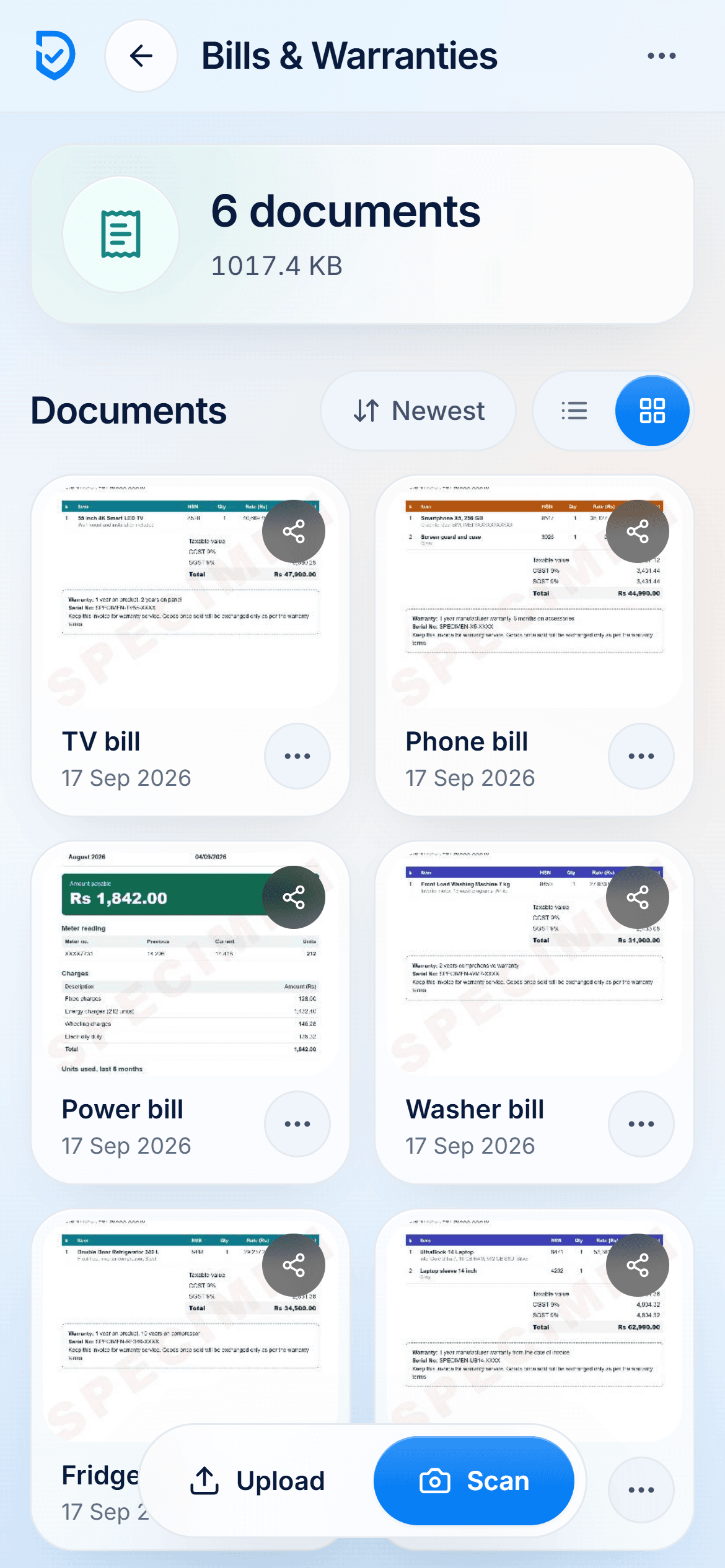
- Insurance policiesHome or renters, auto, life and flood, plus photos of your home and belongings.
- Proof of incomeRecent pay stubs, and records of any government benefits.
- Tax papersLast year's tax returns and your property tax statement.
- Will and powers of attorneyYour will or trust, and any power of attorney.
Medical information
- Health insurance cardsCopies of your health insurance, pharmacy, Medicare or Medicaid cards.
- Medicines and prescriptionsA list of what you take, and copies of current prescriptions, including glasses.
- Immunizations and allergiesA record for each person.
- Living willOr a medical power of attorney.
- Disability and equipment papersDisability documents, and the model and supplier of any medical equipment.Only if someone at home needs them
Household contacts
- Home contactsYour landlord or mortgage company.
- Health contactsDoctors, dentist and any other care providers.
- Money contactsYour insurance agent, bank, lawyer and financial adviser.
- People nearbyNeighbors, and community or place of worship contacts.
FEMA's own checklist, in plain words
Paper copies plus an encrypted digital set
Ready to grab, and ready to share
Source
FEMA's Emergency Financial First Aid Kit
Four groups
ID, money and legal, medical, contacts
Paper set
Fireproof, waterproof box or a safe deposit box
Digital set
Password-protected, kept somewhere else
What an emergency binder is for
After a fire, flood or storm, getting back on your feet runs on paperwork: proving who you are, what you own, and what your insurer and bank owe you. FEMA's Emergency Financial First Aid Kit, shared on Ready.gov, is a checklist of exactly those papers, in four groups.
Copies of anything you carry
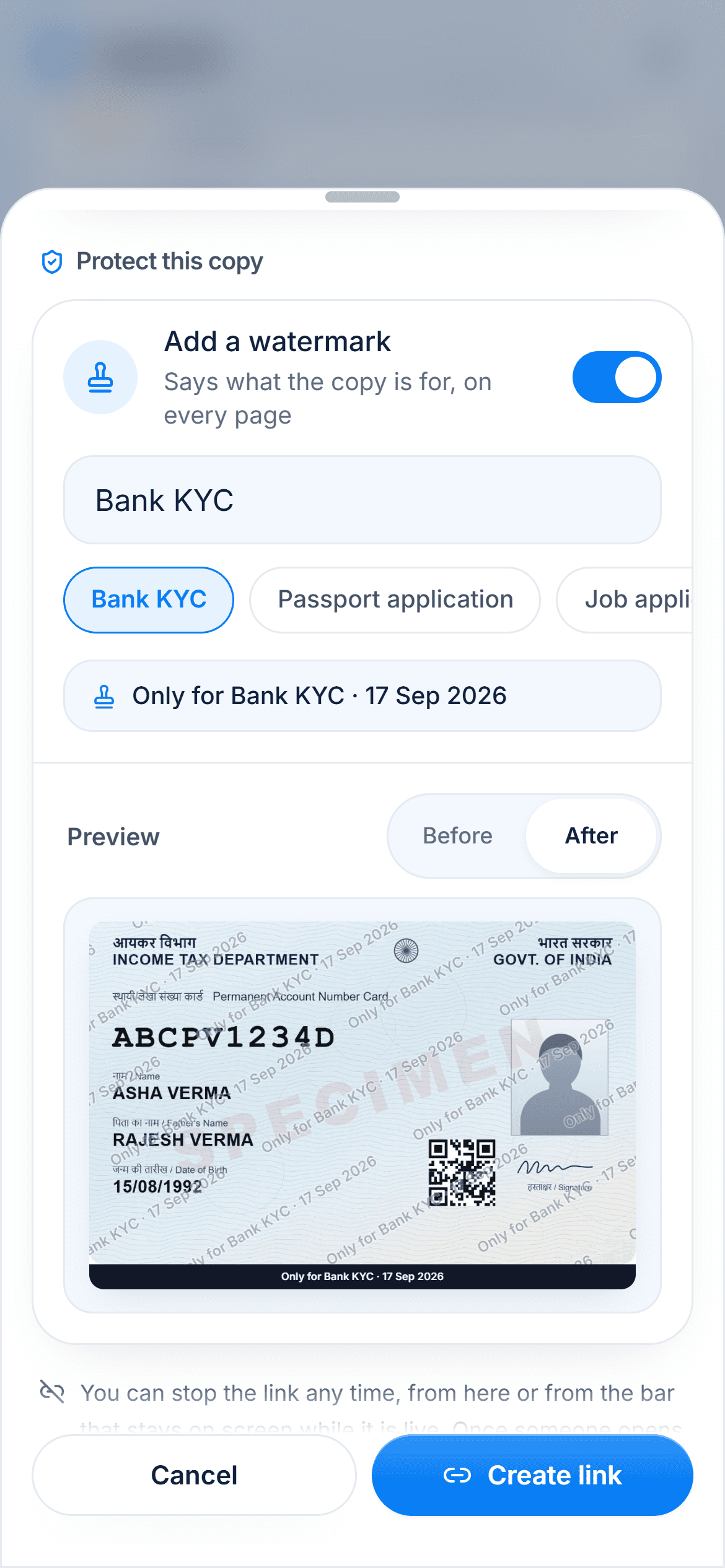
For anything you normally keep in your wallet, like an insurance card or a military ID, FEMA says to make a copy and keep the copy with the kit. For a passport, copy the first two pages. FEMA also suggests photos or a video of every room and your valuables.
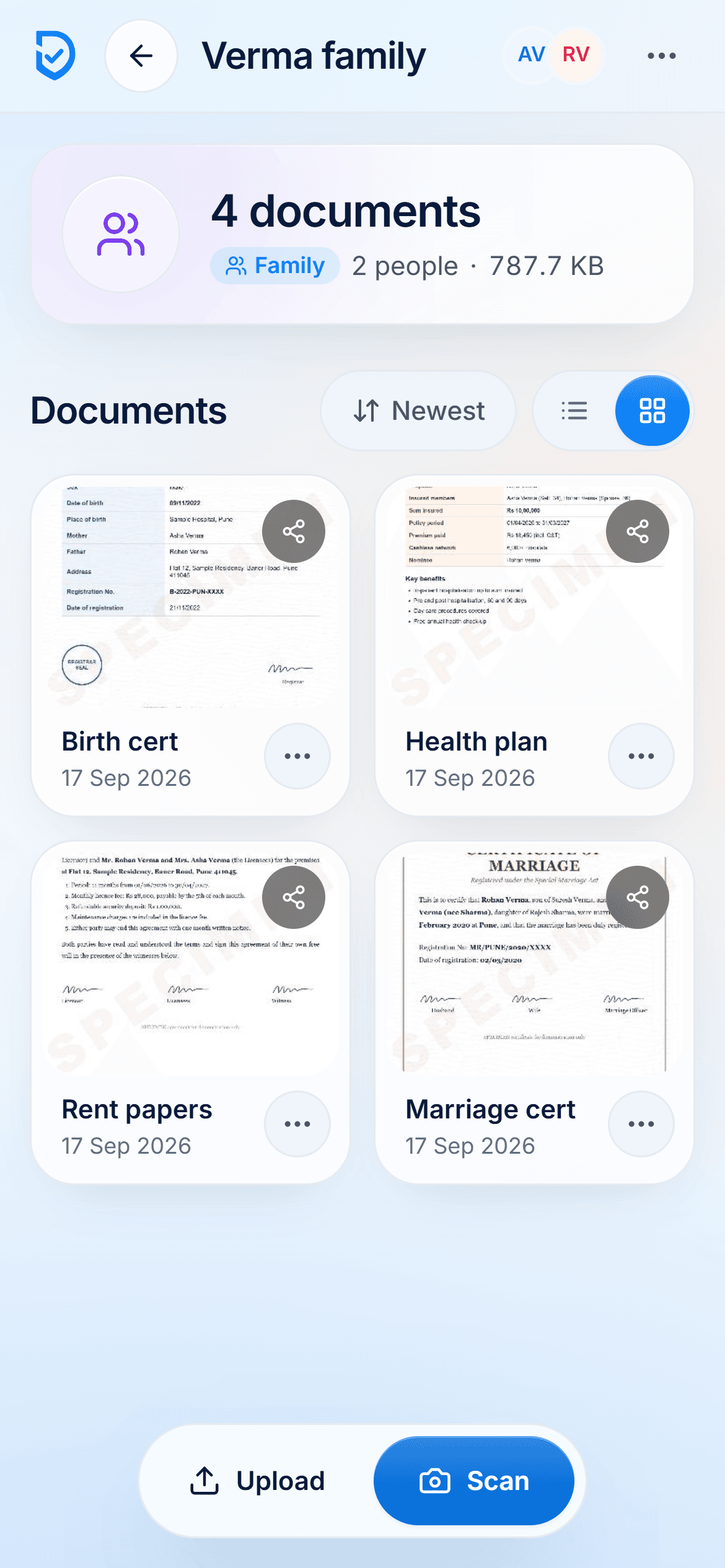
Where to keep it
FEMA suggests a fireproof and waterproof box or safe at home, a bank safe deposit box, or a trusted friend or relative. Electronic copies should be password-protected, on a drive in that box or in a secure online service. Keep an extra copy somewhere else, in case the first one goes with the house.
Keep passwords out of it, and check it yearly
FEMA advises against keeping written lists of passwords with the paper or electronic copies. Look through the binder regularly: FEMA suggests tax time, when the clocks change, your birthday or the new year.
Outside the US
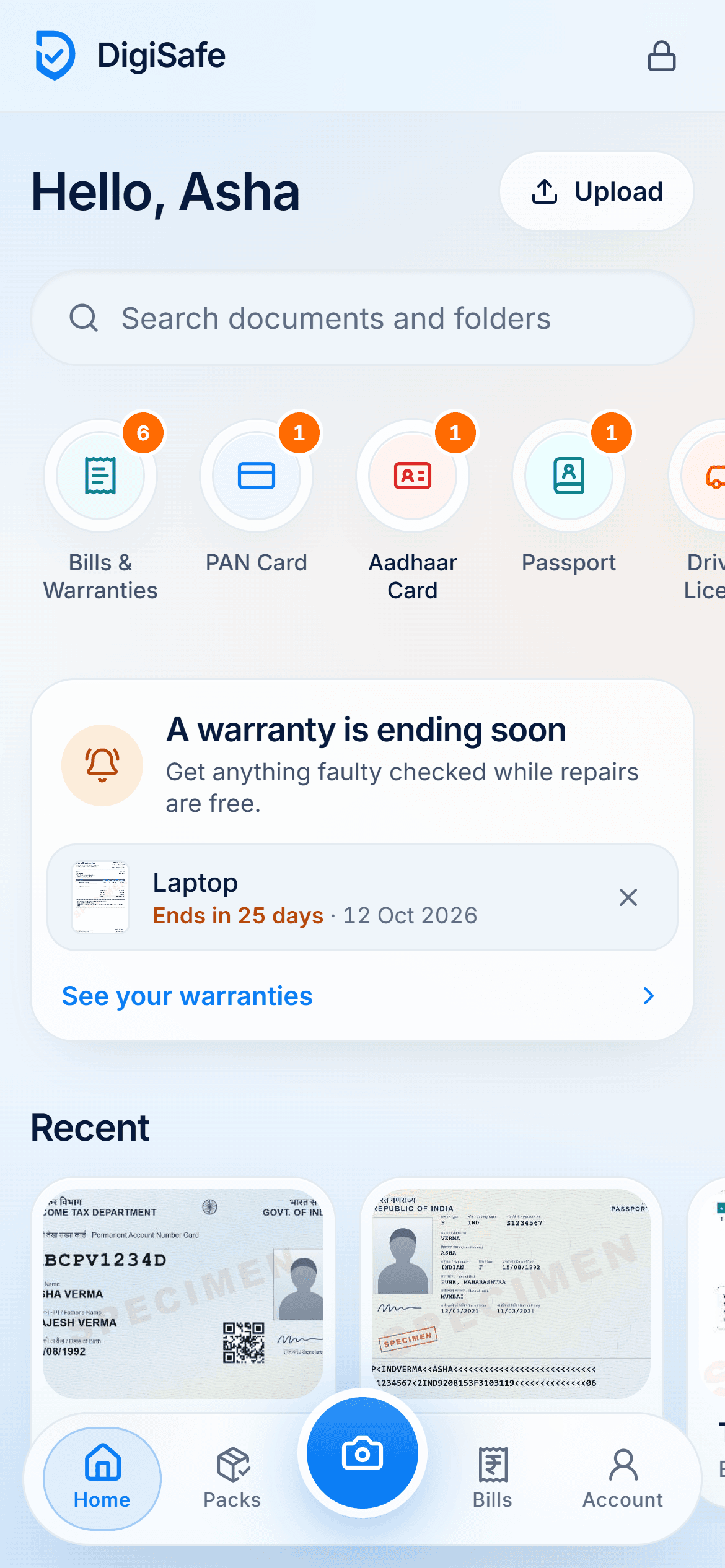
FEMA's kit is written for the US, but the four groups work anywhere. Swap in your own country's papers: Aadhaar and PAN in India, your National Insurance number in the UK, your Social Insurance Number in Canada, or a Medicare card in Australia.
Step by step
- 1
Download FEMA's Emergency Financial First Aid Kit from Ready.gov.
- 2
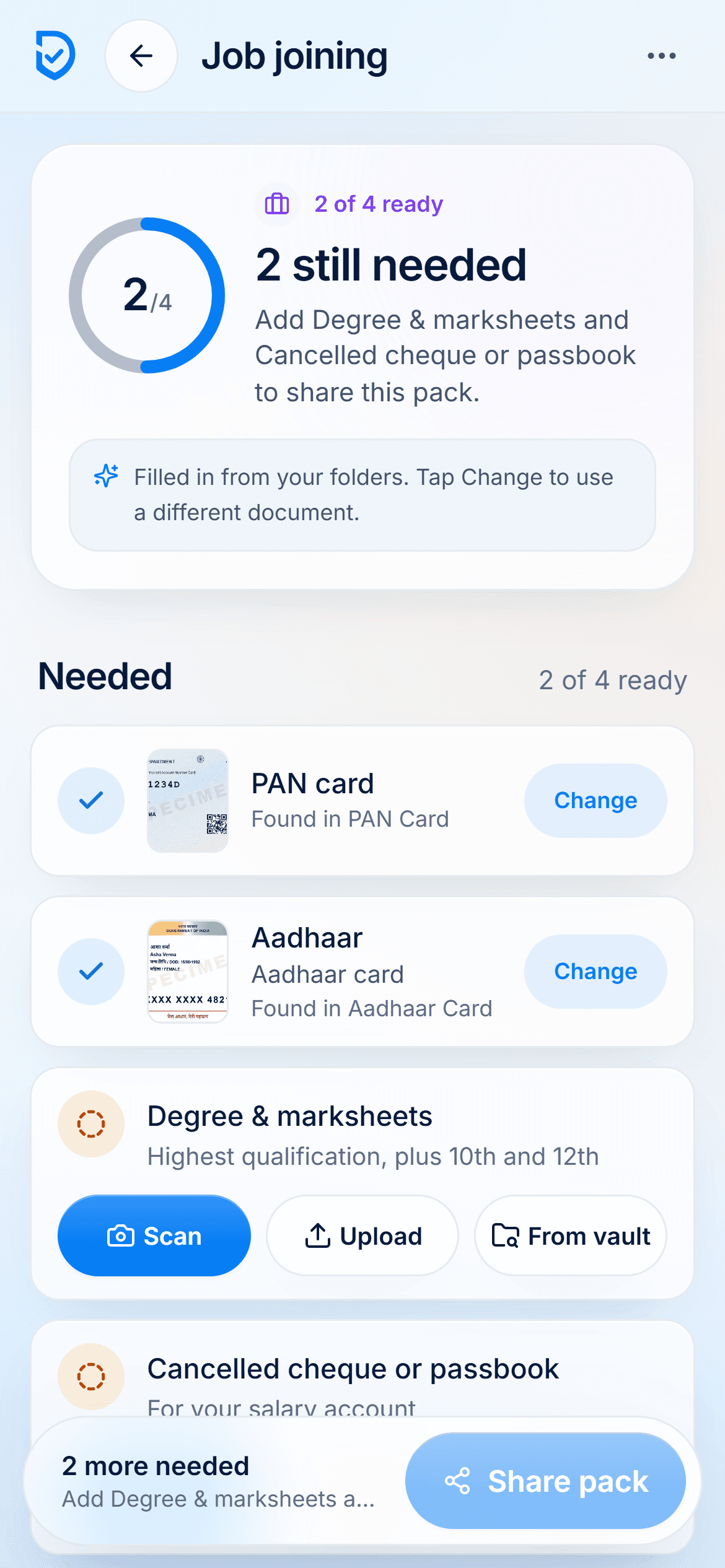
Gather the papers in each of its four groups.
- 3
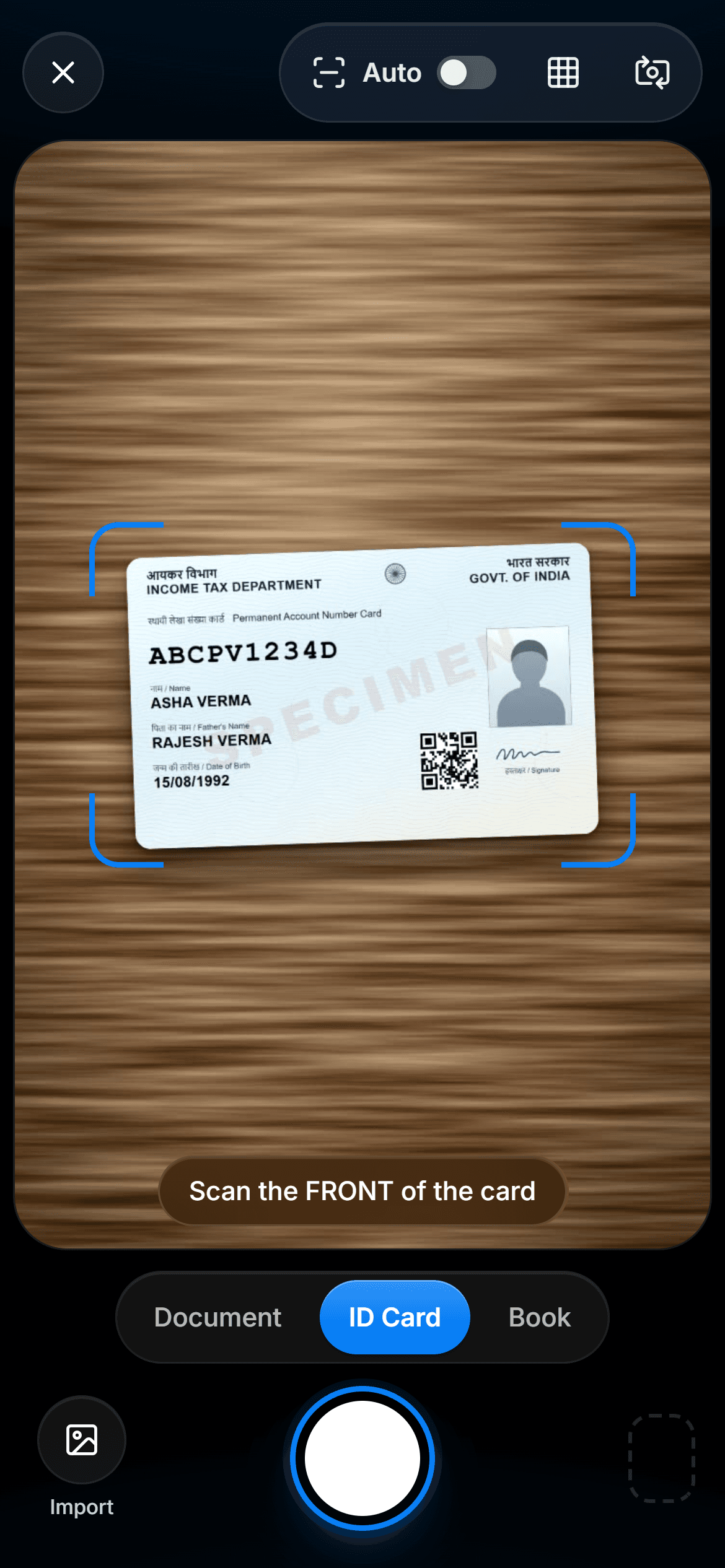
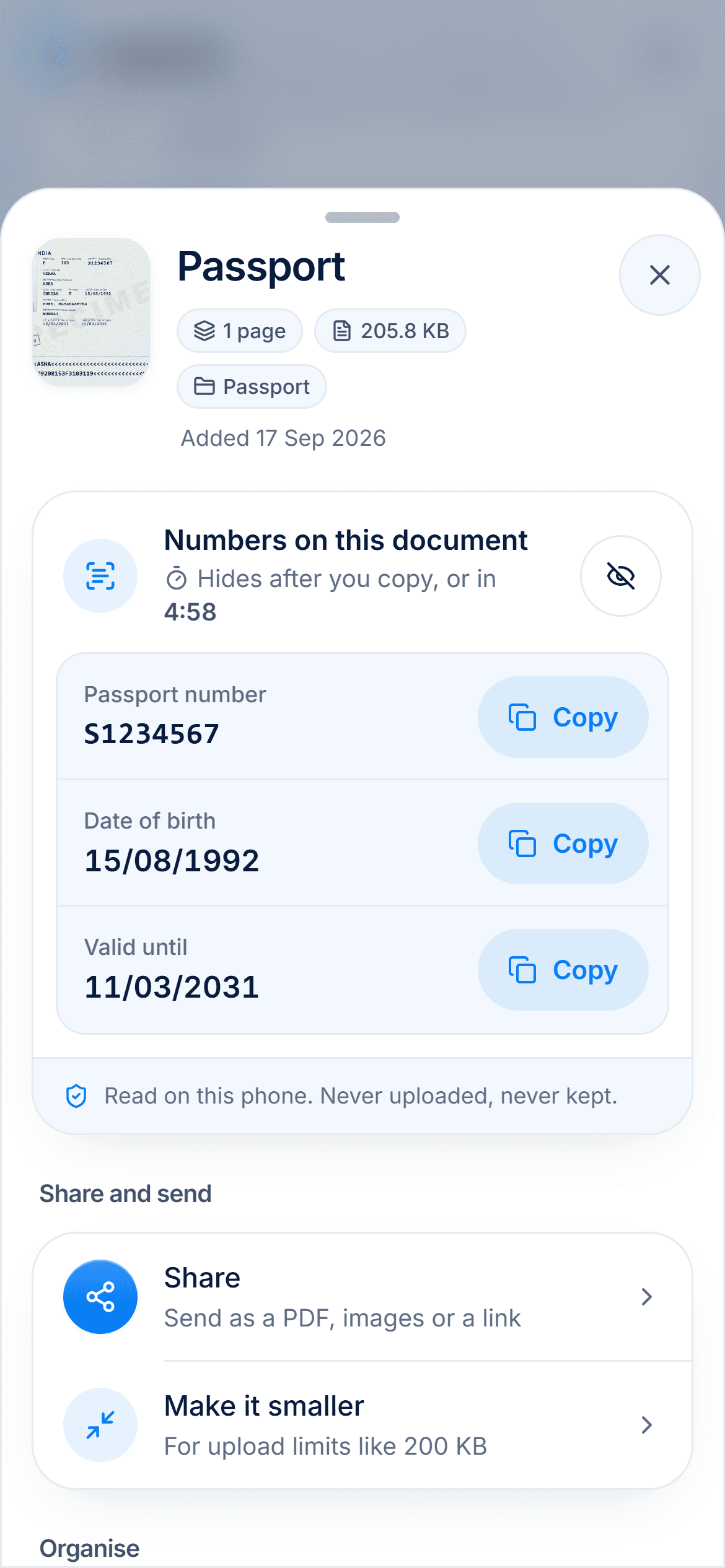
Scan each one into DigiSafe, both sides of every card.
- 4
Put the paper copies in a fireproof, waterproof box.
- 5
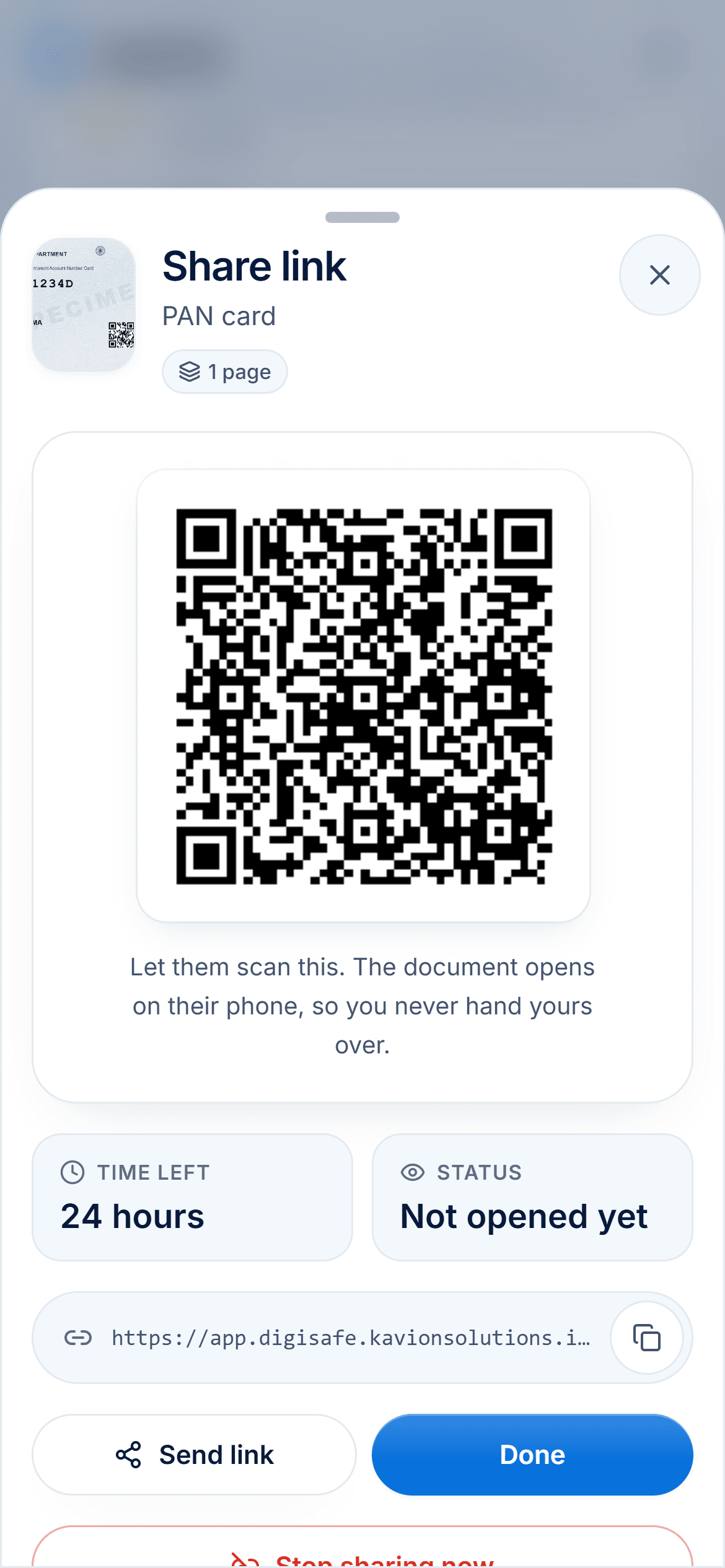
Share a DigiSafe family folder with someone you trust, so they can reach the set too.
- 6
Look it over once a year, at tax time or on your birthday.
Questions people ask
What is an emergency binder?+
A folder of copies of your most important papers, ID, money and legal records, medical details and contacts, kept ready to grab or reach after a disaster. FEMA's Emergency Financial First Aid Kit is a free checklist for building one.
Should it hold originals or copies?+
Both, in different places. The CFPB suggests keeping originals in a water-tight container, fire safe or bank safe deposit box, and copies somewhere else, such as with a trusted relative. FEMA adds copies of anything you normally carry in your wallet.
Is a digital emergency binder safe?+
It can be. FEMA and the CFPB both suggest password-protected electronic copies, on a drive in your safe box or in a secure online service. DigiSafe encrypts each page on your phone before it is backed up, so the copy we store is one we cannot open.
How often should I update it?+
FEMA suggests a regular check, for example at tax time, when the clocks change, around your birthday or at the new year.
Where this comes from
Official sources, dated.
Every requirement on this page comes from the official pages listed here, last checked on 26 September 2026. Rules change and offices can ask for more, so check the official page before you go.
Read next
Do it in a minute, on your phone.
DigiSafe is free, encrypted on your device, and it works offline.